

Department overview
The University of Abuja was established to forge national unity by providing a conducive environment for learning and interaction for young people from all parts of Nigeria. This led to the creation of the Faculty of Engineering, to enhance the technological and economic empowerment of the country.
Sequel to the above, the Senate of the University at its 92nd regular meeting, held on 27th October 2004, approved the establishment of the Department of Chemical Engineering with effect from the 2006/2007 session. Since its establishment, the Department has remained committed to producing competent and innovative graduates through quality teaching, practical laboratory training, industrial exposure and research.
The Department continues to strengthen its academic programmes, research capacity, industry partnerships and professional engagement, with the goal of producing ethical, innovative and globally competitive Chemical Engineers who contribute meaningfully to national and international development.
Programmes
- B.Eng Chemical Engineering
- M.Eng Chemical Engineering
- Doctor of Philosophy (PhD) Chemical Engineering
Vision
Our vision is to pioneer innovative solutions at the intersection of science and technology, shaping the future of Chemical Engineering through excellence in education, research, and industrial collaboration. We aspire to cultivate a dynamic environment that fosters creativity, critical thinking, and ethical leadership, empowering our students and faculty to address global challenges in energy, environment, healthcare, and materials. By leveraging cutting-edge research and industry partnerships, we aim to produce forward-thinking engineers equipped with knowledge and skills to drive sustainable advancements, propel industrial innovation, positively impact society and foster national unity. Together, we strive to be a beacon of excellence, pushing the boundaries of knowledge and application in Chemical Engineering to shape a brighter, more sustainable world for the present and future generations.
Mission
To produce graduates with sound Chemical Engineering knowledge and skills to design and run a process plant based on systematic decision-making that leads to such benefits as high profit, minimum cost, least energy usage, reduced maintenance costs, less equipment wear, better staff utilisation, and faster and more reliable troubleshooting, which ultimately guarantee market competitiveness and environmental sustainability through minimisation of industrial wastes. This supports the University's vision to be a world-class university that promotes academic excellence, national unity and capacity building.
Programme Educational Objectives (PEOs)
In line with the mission of the Department and of the University of Abuja, the Department has set the following objectives, which graduates are expected to accomplish within five years of graduation:
- PEO1: Exhibit engineering knowledge and skills to design, operate and maintain process plants.
- PEO2: Engage in teamwork to enhance interpersonal skills and professional development.
- PEO3: Demonstrate professionalism in a culturally diverse environment.
- PEO4: Engage in lifelong learning with skills in research and knowledge acquisition geared towards solving societal engineering problems in a sustainable manner.
- PEO5: Exhibit technical, managerial and financial skills necessary for entrepreneurship.
Programme Outcomes (POs)
The attributes that graduates of our programme will possess:
| Programme Outcome | Description |
|---|---|
| PO1: Engineering knowledge | Ability to apply knowledge of mathematics, science, engineering fundamentals and an engineering specialisation to the solution of developmental and complex engineering problems. |
| PO2: Problem analysis | Ability to identify, formulate, research literature and analyse developmental and complex engineering problems, reaching substantiated conclusions using first principles of mathematics, natural sciences and engineering sciences. |
| PO3: Design/development of solutions | Ability to proffer solutions for developmental or complex engineering problems and design systems, components or processes that meet specified needs with appropriate consideration for public health and safety, cultural, societal and environmental considerations. |
| PO4: Investigation | Ability to conduct investigation into developmental or complex problems using research-based knowledge and research methods, including design of experiments, analysis and interpretation of data, and synthesis of information to provide valid conclusions. |
| PO5: Modern tools usage | Ability to create, select and apply appropriate techniques, resources and modern engineering and ICT tools, including prediction, modelling and optimisation, to developmental and complex engineering activities, with an understanding of the limitations. |
| PO6: The engineer and society | Ability to apply reasoning informed by contextual knowledge, including Humanities and Social Sciences, to assess societal, health, safety, legal and cultural issues and the consequent responsibilities relevant to professional engineering practice. |
| PO7: Ethics | Ability to apply ethical principles and commit to professional ethics, responsibilities and norms of engineering practice, including adherence to the COREN Engineers' Code of Conduct. |
| PO8: Individual and teamwork | Ability to function effectively as an individual, and as a member or leader in diverse teams and in multi-disciplinary settings. |
| PO9: Communication | Ability to communicate effectively on developmental or complex engineering activities with the engineering community and with society at large, such as being able to comprehend and write effective reports and design documentation, make effective presentations, and give and receive clear instructions. |
| PO10: Project management and finance | Ability to demonstrate knowledge and understanding of engineering, management and financial principles and apply these to one's own work, as a member and leader in a team, to manage projects and in multi-disciplinary environments. |
| PO11: Lifelong learning | Ability to recognise the need for, and have the preparation and ability to engage in, independent and lifelong learning in the broadest context of technological and social change. |
Research areas
- Process intensification and reaction engineering: chemical reaction kinetics, reactor design and process development.
- Fuel processing and technologies: renewable energy, energy efficiency, pollution control and sustainable process technologies.
- Biochemical and bioprocess engineering: biomass conversion, biofuels, fermentation and biotechnology applications.
- Materials characterisation: development of advanced materials, industrial chemicals and value-added products.
- Environmental engineering: wastewater, sludge and mining sites.
Head of Department

Dr Nneka B. Ekwe
Senior Lecturer and Head of Department, Chemical Engineering
B.Eng Chemical Engineering, Enugu State University of Science and Technology (1995)
M.Eng Chemical Engineering, Enugu State University of Science and Technology (1999)
PhD Materials Science and Engineering, African University of Science and Technology (2023)
Dr Nneka B. Ekwe is a trained Chemical Engineer specialising in Materials Science and Engineering and a PhD scholar at the Pan African Materials Institute. Her research focuses on the mechanochemical and physicochemical conversion of lignocellulosic biomass and organic waste into value-added products, particularly fermentable sugars, biofuels and sustainable materials. Her research interests include biomass pretreatment, enzymatic hydrolysis, reaction kinetics, molecular-level mechanisms of biomass deconstruction, waste valorisation, biomass densification and waste-to-energy technologies. She has served as the Director of the Energy Research Centre, demonstrating strong leadership, managerial and administrative capabilities. She is passionate about advancing sustainable energy technologies, resource recovery and innovative materials development.
Email: blessing.ekwe@uniabuja.edu.ng
Google Scholar · ORCID · Web of Science
Academic staff
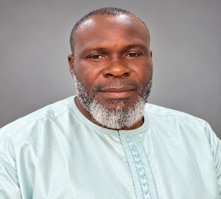
Engr. Prof. Bala Isah Abdulkarim
Professor of Environmental Engineering
B.Eng (FUT Minna), MSc (UAD, Scotland), PhD (UTM, Malaysia)
Read profile
Bala Isah Abdulkarim is a professor of Environmental Engineering in the Department of Chemical Engineering, University of Abuja. I started my academic career with Modibbo Adama University in 2006 as an assistant lecturer and later joined the University of Abuja in 2008, where I have continued my academic career to date. I am a motivated and experienced researcher with vast experience in the chemical and environmental engineering field, locally and internationally. I have several publications in high-impact journals that cut across the areas of water and wastewater treatment, solid waste treatment and management techniques, chemical and health risk assessment (CHRA), and the application of novel thermal plasma technology in the destruction and immobilisation of wastes. Currently, on Google Scholar, I have 352 citations and an h-index of 10. I have served as the postgraduate research coordinator and Head of Department of Chemical Engineering, University of Abuja, during which I achieved tremendous and excellent research breakthroughs. I am a corporate member of the International Association of Engineers (MIAENG), Hong Kong; the International Solid Waste Association (MISWA), Austria; the Chartered Institution of Wastes Management (MCIWM), United Kingdom; the Materials Society of Nigeria (MMSN); and the Nigerian Society of Engineers (MNSE), and a COREN-registered engineer in Nigeria.

Prof. Kamoru Salam
Professor of Chemical Engineering
PhD Chemical Engineering, Newcastle University, United Kingdom
Specialisation: chemical reaction engineering and process intensification, waste valorisation and fuel processing
Read profile
Kamoru Salam is a Professor at the University of Abuja in the Department of Chemical Engineering. He is an outstanding educator with a strong background in teaching and research in chemical engineering. His research focuses on chemical reaction engineering, waste valorisation, fuel processing and process intensification to reduce waste and energy consumption. He has led a number of successful research projects with considerable social impact and has several publications in prestigious peer-reviewed journals. He graduated from Newcastle University in the United Kingdom with a PhD in Chemical Engineering, as a PhD Scholar of the Petroleum Technology Development Fund (PTDF). He is a dynamic and adaptable researcher with a broad range of research and experimental experience, and a good supervisor and mentor.

Engr. Dr. Yetunde Mariam Aladeitan
Associate Professor of Chemical Engineering
BSc Chemical Engineering (Obafemi Awolowo University), MSc Oil and Gas Engineering (Robert Gordon University, Aberdeen), PhD Petroleum Engineering (African University of Science and Technology, Abuja)
Petroleum engineering specialist and energy researcher
Read profile
Engr. Yetunde Mariam Aladeitan is an Associate Professor in the Department of Chemical Engineering, Faculty of Engineering, University of Abuja, Nigeria. She is an accomplished academic, researcher and professional engineer with interdisciplinary expertise in Chemical Engineering and Petroleum Engineering, particularly reservoir engineering, petroleum production optimisation, enhanced oil recovery and sustainable energy development. She holds a PhD in Petroleum Engineering from the African University of Science and Technology, Abuja, an MSc in Oil and Gas Engineering from Robert Gordon University, Aberdeen, United Kingdom, and a BSc in Chemical Engineering from Obafemi Awolowo University, Ile-Ife. She joined the University of Abuja in 2008 and has progressed through the academic ranks to Associate Professor, contributing significantly to teaching, research, postgraduate supervision and institutional development.
Her research interests include integrated reservoir management, oil rim development, reservoir performance optimisation, enhanced oil recovery, data-driven modelling, oil spill management and sustainable petroleum engineering technologies. She has authored and co-authored numerous peer-reviewed journal articles and conference papers, with research contributions spanning petroleum production, environmental remediation, drilling fluids, carbon dioxide storage, and the application of emerging computational techniques to engineering problems. Her scholarly work has attracted over 160 citations on Google Scholar.
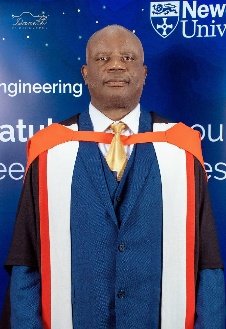
Engr. Dr. Zakariah Adu Adejoh
Senior Lecturer
BEng Chemical Engineering (FUT Yola, 1999), MEng (FUT Minna, 2005), PhD Chemical Engineering (Newcastle University, United Kingdom, 2023)
Specialisation: chemical process and energy engineering
Read profile
Senior Lecturer in the Department of Chemical Engineering, University of Abuja, where he has lectured since 2008. COREN-registered engineer, Member of the Nigerian Society of Engineers and Member of the Nigerian Society of Chemical Engineers.
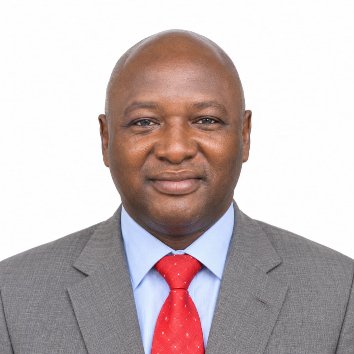
Engr. Dr. Yakubu Stephen
B.Eng Chemical Engineering (FUT Minna, 2004), M.Eng Chemical Engineering (ABU Zaria, 2010), PGD in Education (Usmanu Danfodiyo University, Sokoto), PhD Chemical Engineering (University of Abuja)
Specialisation: petroleum and environmental engineering
stephen.yakubu@uniabuja.edu.ng
Read profile
Professional memberships: COREN, MNSE, MNSChE.
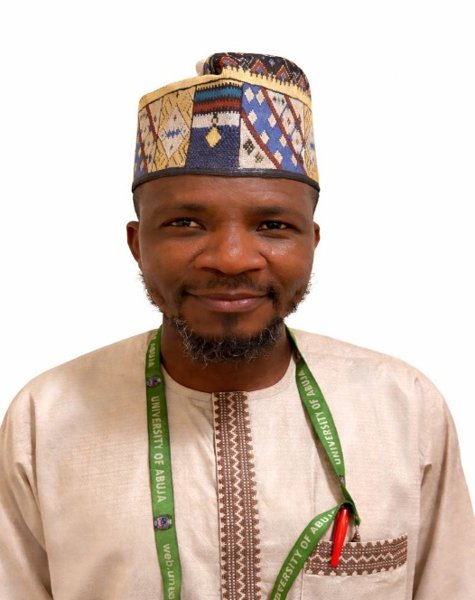
Dr Abdulwasiu Abdurrahman
Lecturer
BEng (2010), MSc (2018) and PhD (2025) Chemical Engineering, Ahmadu Bello University, Zaria
Specialisation: petroleum and energy engineering
abdulwasiu.abdurrahman@uniabuja.edu.ng
Read profile
Dr Abdulwasiu Abdurrahman is a Lecturer in the Department of Chemical Engineering, University of Abuja, Nigeria. He earned his PhD, MSc and BEng degrees in Chemical Engineering from Ahmadu Bello University, Zaria, in 2025, 2018 and 2010 respectively. His research interests include Petroleum Engineering, particularly Enhanced Oil Recovery (EOR), Deep Eutectic Solvents, computational chemistry, biofuels and sustainable energy technologies. He has published in reputable scientific journals and received the Best Paper Award (PhD Category) at SPE NAICE 2025.
Technical staff
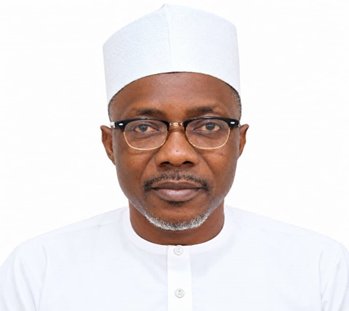
Engr. Yusuf Mohammed Baba
Assistant Chief Technologist
ND, HND, B.Eng and M.Eng Chemical Engineering; PGDE; M.Ed Educational Technology
Research interests: energy systems, renewable energy and environmental engineering
mohammed.yusuf@uniabuja.edu.ng
Read profile
Engr. Yusuf Mohammed Baba (COREN/REG/R56319) is an Assistant Chief Technologist in the Department of Chemical Engineering, University of Abuja, Nigeria. He holds National Diploma (ND), Higher National Diploma (HND), Bachelor of Engineering (B.Eng.) and Master of Engineering (M.Eng.) degrees in Chemical Engineering and is currently pursuing a PhD in Chemical Engineering. He is a registered Engineer with the Council for the Regulation of Engineering in Nigeria (COREN) and a Corporate Member of both the Nigerian Society of Engineers (NSE) and the Nigerian Association of Technologists in Engineering (MNATE), with membership number C-2121.
His professional experience encompasses chemical engineering laboratory operations, technical instruction and research support, including undergraduate practical sessions, research experiments, the Students' Work Experience Programme (SWEP), industrial internships and students' project work. His research interests include energy systems, renewable energy technologies and environmental engineering, with particular emphasis on sustainable energy development and environmental management.
Beyond his engineering background, he holds a Postgraduate Diploma in Education (PGDE) and a Master of Education (M.Ed.) in Educational Technology. He is also a registered and certified teacher with the Teachers Registration Council of Nigeria (TRCN), registration number CT/R/16482.
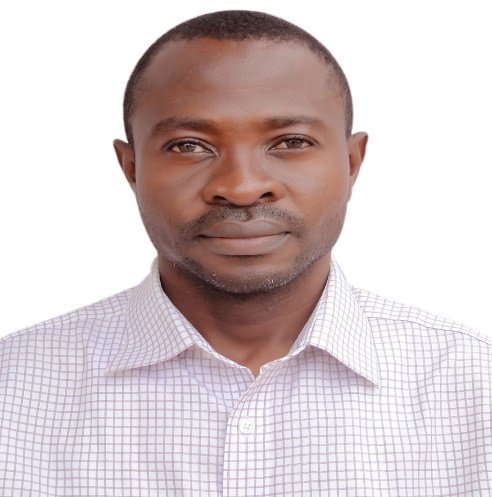
Engr. Ugochukwu C. Agomuo
Assistant Chief Technologist
HND, B.Eng and M.Eng Chemical Engineering; PhD in view
Specialisation: sustainable and renewable energy; solid fuel and biomass-based fuel technology; instrumentation and control
christian.agomuo@uniabuja.edu.ng
Read profile
Engr. Ugochukwu C. Agomuo is a registered member of the Council for the Regulation of Engineering in Nigeria (COREN). He holds an HND, B.Eng and M.Eng in Chemical Engineering and is a PhD student. He has several years of professional experience in chemical engineering practice and education, and has published work in sustainable and renewable energy.
Ali Danlami Abubakar
Technologist
B.Eng and M.Eng Chemical Engineering (FUT Minna); PGD in Education
Read profile
I am a Technologist in the Chemical Engineering Department, Faculty of Engineering, University of Abuja. I hold first and master's degrees in Chemical Engineering from the Federal University of Technology, Minna, and a postgraduate diploma in Education. I am currently preparing for my PhD in Chemical Engineering.
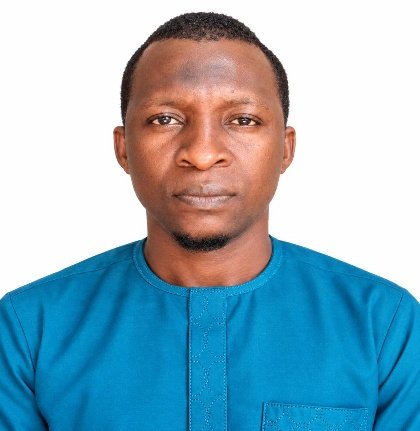
Engr. Salisu Shaibu
B.Eng Petroleum and Gas Engineering (University of Port Harcourt); M.Eng Chemical Engineering in view (University of Abuja)
Specialisation: process engineering (petroleum and gas)
Read profile
I obtained a Bachelor of Engineering degree in Petroleum and Gas Engineering from the University of Port Harcourt, and later applied for the academic master's programme in Chemical Engineering at the University of Abuja, which is in view. I have been registered with COREN as an Engineer since 2025, and with the National Association of Academic Technologists (NAAT) since 2024.
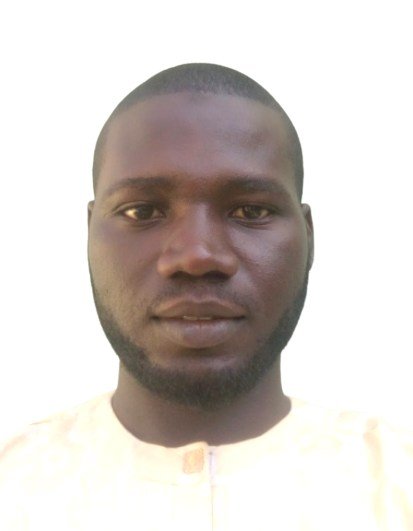
Engr. R. S. Sa'ad
BTech; M.Eng in view
Specialisation: Chemical Engineering. COREN registered; PMP and HSE certified
Contact
Location: Faculty of Engineering Building, University of Abuja
Email: hod.chemicalengr@uniabuja.edu.ng